When it comes to shipping a vehicle, many people wonder if they can fill their car with personal belongings to maximize space and reduce moving costs. While it might seem like a practical idea to use the car as a container for additional items, there are several factors, regulations, and policies to consider.
Understanding Shipping Regulations
Before deciding to fill your car with items, it’s crucial to understand the shipping regulations that govern vehicle transport. Shipping companies often have specific restrictions and policies regarding what can be transported within a vehicle. These regulations are designed to ensure safety, protect your belongings, and comply with legal requirements.
Weight Limitations
One critical aspect of shipping regulations is the weight limitation. Transport companies are concerned with the weight of the vehicle, as overloading can affect the handling and safety of the transport vehicle. Exceeding the weight limit may result in additional fees or refusal to transport the car.
Safety Concerns
Another reason for restrictions is safety. Loose items inside a car could shift during transport, causing damage to the vehicle or posing a risk to the carrier. Ensuring that the car is not overloaded or improperly packed is essential for the safety of all involved.
Company Policies on Filling Cars
Different shipping companies have varying policies regarding filling cars with personal belongings. It’s important to check with your chosen company to understand their specific guidelines. Some companies may allow limited items, while others might have strict “no items” policies.
Insurance and Liability
One significant concern is insurance. Most vehicle shipping insurance policies do not cover personal items left in the car. If you choose to transport items, you may need additional insurance to protect those belongings, which could increase the overall cost.
Cost Implications
While it might seem cost-effective to transport items inside your car, it’s essential to consider the potential cost implications. Additional weight can lead to increased shipping fees, and the need for extra insurance coverage may offset any savings from not hiring a separate moving service.
Logistics and Practical Considerations
Aside from regulatory and policy issues, there are logistical challenges to consider when filling a car for shipping. Ensuring that items are securely packed to prevent movement is vital. Additionally, accessing your personal belongings may be difficult once the car is loaded onto the transport vehicle.
Space Utilization
Maximizing space within your car requires careful planning. Items should be packed in such a way that they do not obstruct the driver’s view or interfere with the car’s functionality. Keep in mind that the car will not be accessible during transit, so you should only pack non-essential items.
Personal Belongings Restrictions
Most companies have a list of restricted items that cannot be transported in vehicles. Common restrictions include hazardous materials, valuables, and perishable goods. Always check the company’s policy to ensure compliance with these restrictions.
Finding the Right Shipping Company
Choosing the right shipping company is critical to a successful vehicle transport experience. Look for a reputable company with clear policies on personal belongings and transparent pricing. Reading customer reviews and asking for recommendations can also help in making an informed decision.
Freight and Cargo Options
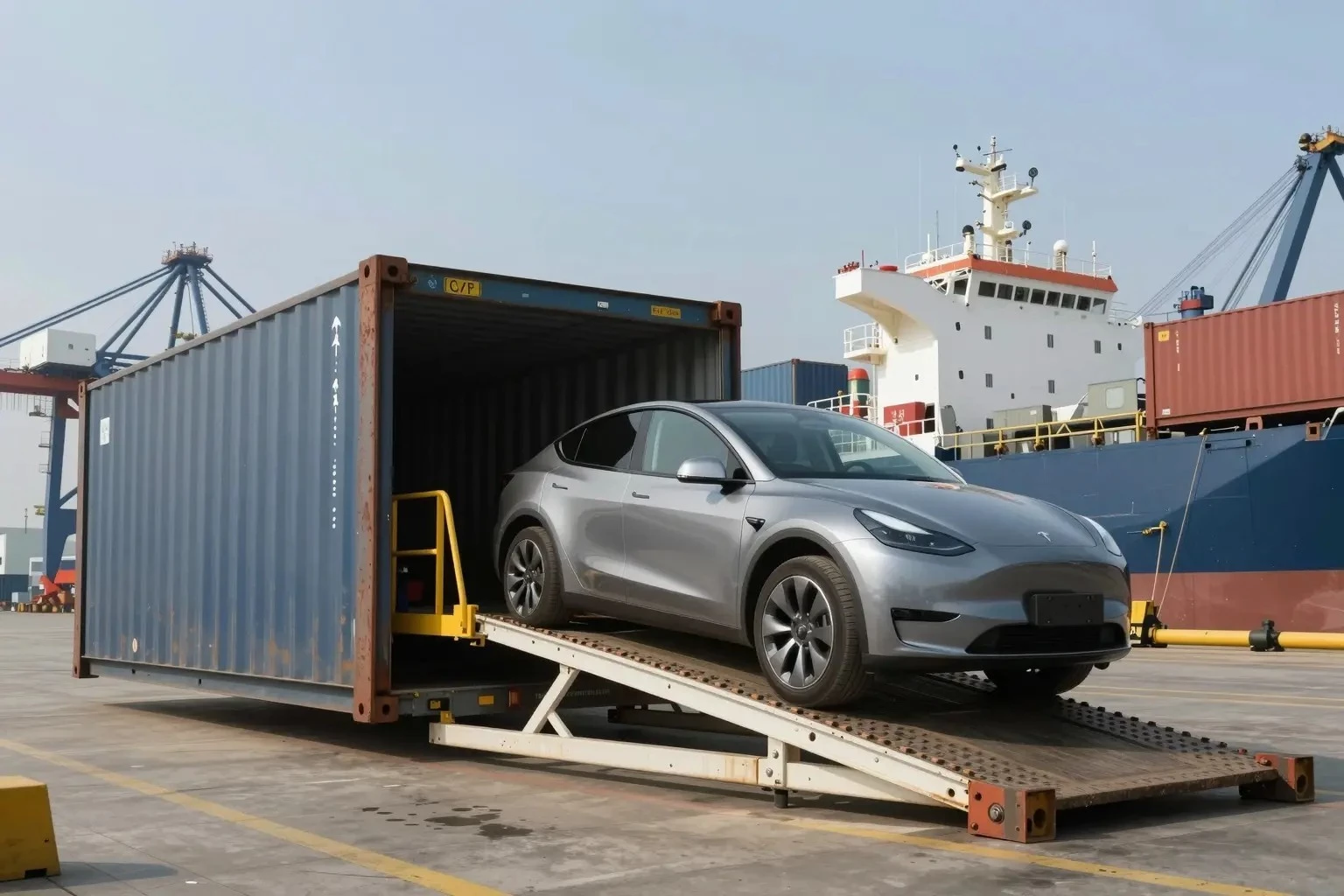
If you have a significant amount of cargo to transport, consider options beyond filling your car. Many freight companies offer container shipping services that can accommodate larger quantities of items. While this might come at a higher cost, it ensures that all items are transported safely and legally.
Insurance and Safety Measures
Ensure that the shipping company provides adequate insurance coverage and adheres to safety regulations. This will give you peace of mind that your vehicle and any permitted items are protected throughout the transport process.