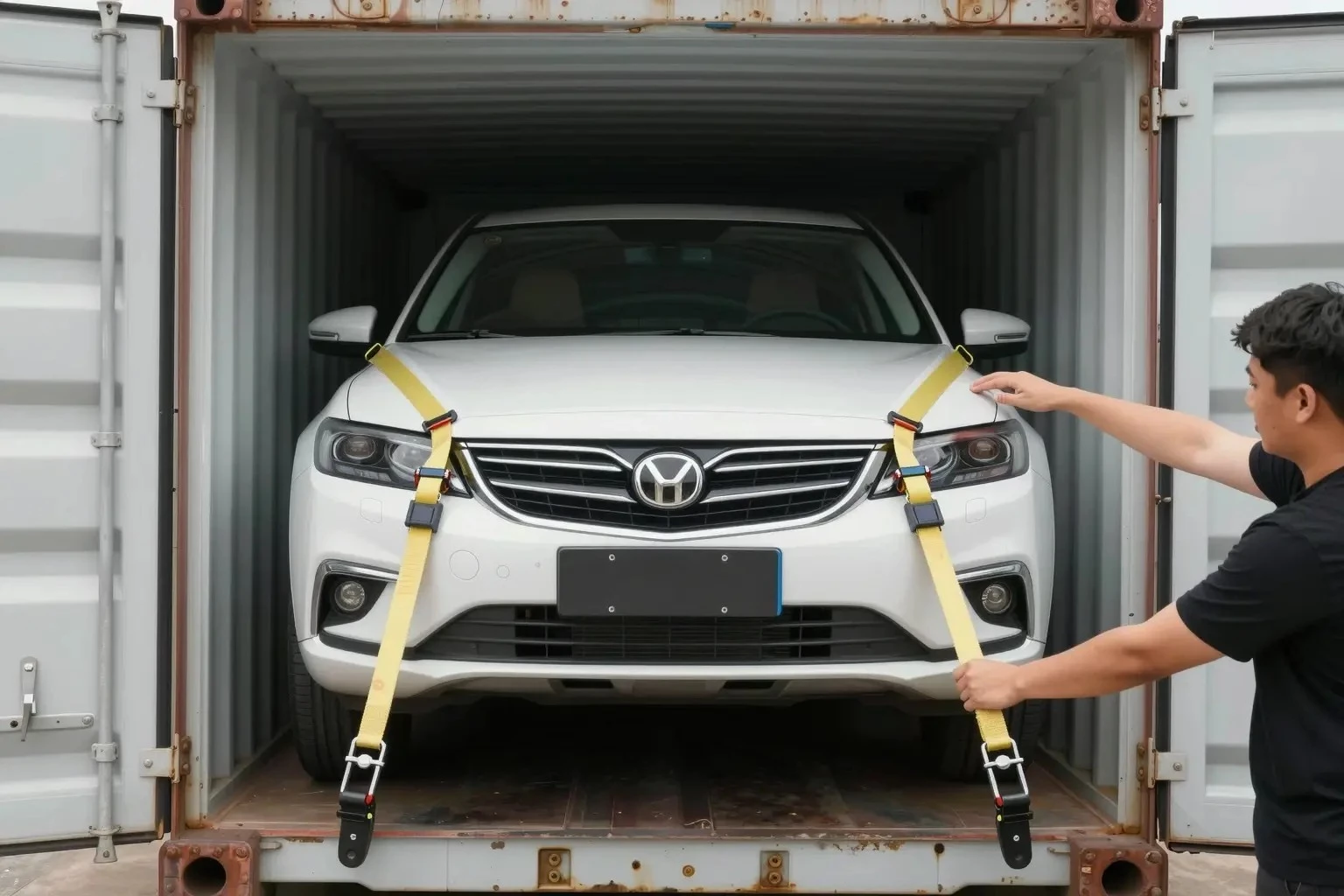
Transporting vehicles across the globe has become increasingly common, thanks to the extensive network of container shipping. However, ensuring that a vehicle arrives at its destination without any damage requires meticulous preparation and execution. This article provides a comprehensive guide on how to secure a car in a shipping container, focusing on essential aspects such as vehicle transport, car preparation, and securing techniques.
Car Preparation
Before loading a car into a shipping container, it is crucial to prepare the vehicle adequately. This includes cleaning the car thoroughly to ensure any existing damage is visible and can be documented. Conduct a detailed vehicle inspection to note any scratches, dents, or mechanical issues.
It is also advisable to remove any personal belongings and accessories that are not securely attached. Consider installing anti-theft devices for added security during transit. Additionally, ensure the car’s fuel tank is only a quarter full to minimize weight and reduce potential hazards;
Loading Process and Container Dimensions
Understanding the container dimensions is critical during the loading process. Standard containers are typically 20 or 40 feet long, with sufficient space to accommodate most vehicles. However, oversized vehicles may require special arrangements or containers.
During loading, ensure the car is centered within the container to facilitate optimal weight distribution. This reduces the risk of tilting or movement during transit.
Securing Techniques
Once the car is in position, it is imperative to use effective securing techniques to prevent movement. Tie-down straps are essential for this purpose. Attach the straps to the vehicle’s towing points and anchor them securely to the container’s floor. Ensure the straps are tensioned correctly to hold the car firmly in place.
Employ blocking and bracing methods to further stabilize the car. Wooden blocks or metal braces can be placed around the tires to prevent any lateral movement.
Safety Measures and Cargo Insurance
Adhering to safety measures is crucial. This includes checking the integrity of the container, ensuring all locking mechanisms are functional, and verifying that the car is stable and secure. Consider investing in cargo insurance to protect against any unforeseen incidents during transit.
Shipping Regulations and Customs Clearance
Complying with international shipping regulations and obtaining customs clearance is a vital step in the process. Ensure all necessary documentation, such as the bill of lading, vehicle title, and commercial invoice, is accurate and complete. Familiarize yourself with the specific requirements of the destination country to avoid any legal hurdles.
Securing a car in a shipping container involves careful consideration of various factors. From car preparation and loading process to securing techniques and compliance with shipping regulations, each step plays a crucial role in ensuring the vehicle arrives at its destination safely and securely. By following these guidelines, you can minimize the risks associated with vehicle transport and ensure a smooth shipping experience.