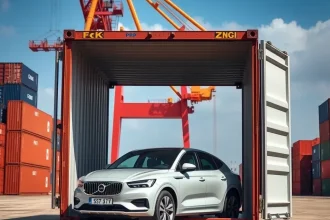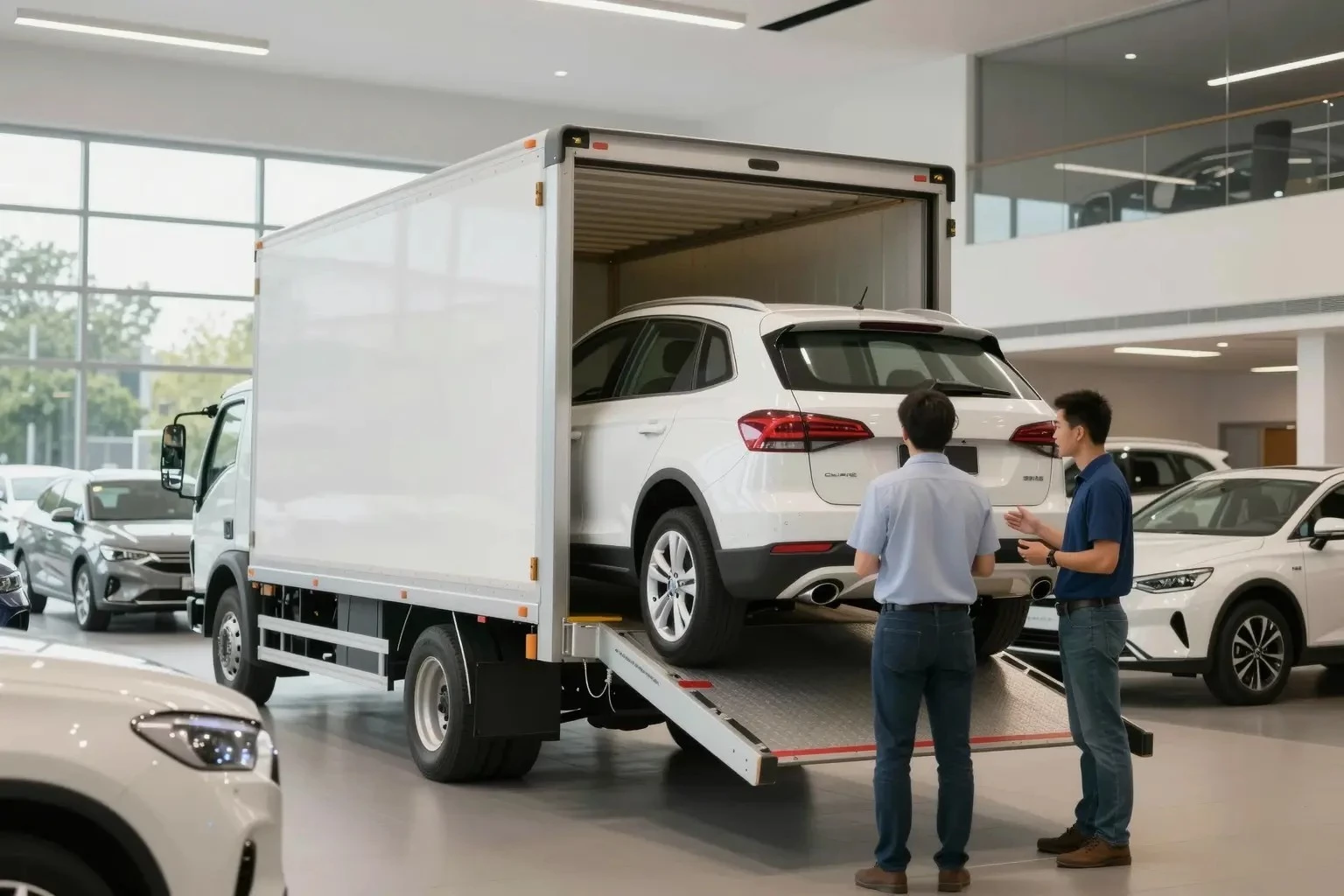
When purchasing a vehicle, especially from a dealership that is out of state, many potential buyers wonder about the logistics of acquiring their new car. Shipping a car from one state to another involves several considerations, such as transportation methods, costs, and agreements with the dealership. This article will explore the intricacies of interstate vehicle delivery and how dealerships facilitate this process.
Understanding Dealership Services
Most dealerships offer shipping services to customers who are unable to pick up their vehicles in person. Whether the purchase is made online or through an interstate agreement, the dealership can arrange for the car to be transported to the buyer’s location. This service is particularly beneficial for customers living at a significant distance from the dealership’s physical location.
The Role of Logistics in Car Shipping
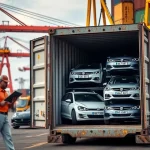
Logistics play a crucial role in the successful delivery of a vehicle. Dealerships typically partner with transportation companies that specialize in the interstate shipment of cars. These companies ensure that vehicles are delivered safely and on time to the buyer’s specified location. The dealership’s logistics team will handle all necessary arrangements, from scheduling the pickup to overseeing the transfer of the vehicle.
Transportation Methods for Car Shipping
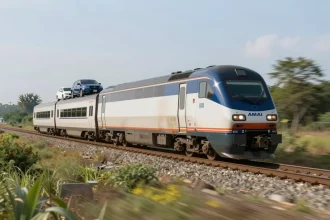
There are several transportation methods available for shipping a car interstate:
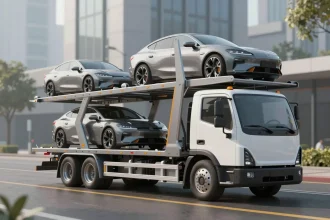
- Open Carrier Transport: The most common and cost-effective method. Vehicles are loaded onto an open trailer, which can carry multiple cars at once. While this option is economical, it exposes the car to weather elements during transit.
- Enclosed Carrier Transport: Offers more protection by housing vehicles in an enclosed trailer. This method is ideal for high-value or classic cars, though it comes at a higher cost.
- Flatbed Transport: Typically used for short distances or for vehicles that do not fit standard trailers. It provides direct delivery to the buyer’s doorstep but is more expensive.
Cost Considerations
The cost of shipping a car depends on several factors, including the distance between the dealership and the buyer’s location, the type of transport selected, and the current demand for shipping services. Generally, longer distances and enclosed transport options result in higher costs. It is essential for buyers to discuss these details with the dealership to understand the overall cost of vehicle delivery.
The Importance of a Service Agreement
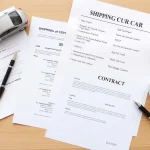
Before proceeding with the shipment, dealerships typically require the buyer to sign a service agreement. This document outlines the terms of the transport arrangement, including delivery timelines, costs, and responsibilities of both parties. It serves to protect both the dealership and the customer by clearly defining expectations and obligations.
Customer Expectations and the Sales Process
Customers purchasing a car from an out-of-state dealership should communicate their expectations clearly. The sales team will assist in coordinating the shipment, ensuring that the vehicle meets the buyer’s specifications before it leaves the dealership. This includes verifying the car’s condition, completing necessary paperwork, and confirming delivery details.
Ensuring a Smooth Delivery
To ensure a smooth delivery process, dealerships and buyers should maintain open communication. Buyers should provide accurate delivery information, and dealerships should keep the customer informed about the shipping status and any potential delays. Upon delivery, it is crucial for the buyer to inspect the car thoroughly to confirm that it matches the purchase agreement.
Final Thoughts
Shipping a car from a dealership to another state is a common practice that requires careful planning and coordination. By understanding the available transportation methods and costs involved, buyers can make informed decisions. Dealerships play a pivotal role in managing logistics, ensuring that the vehicle transfer is completed efficiently and satisfactorily. With a clear service agreement and effective communication, the interstate car delivery process can be a seamless experience for both the dealership and the customer.