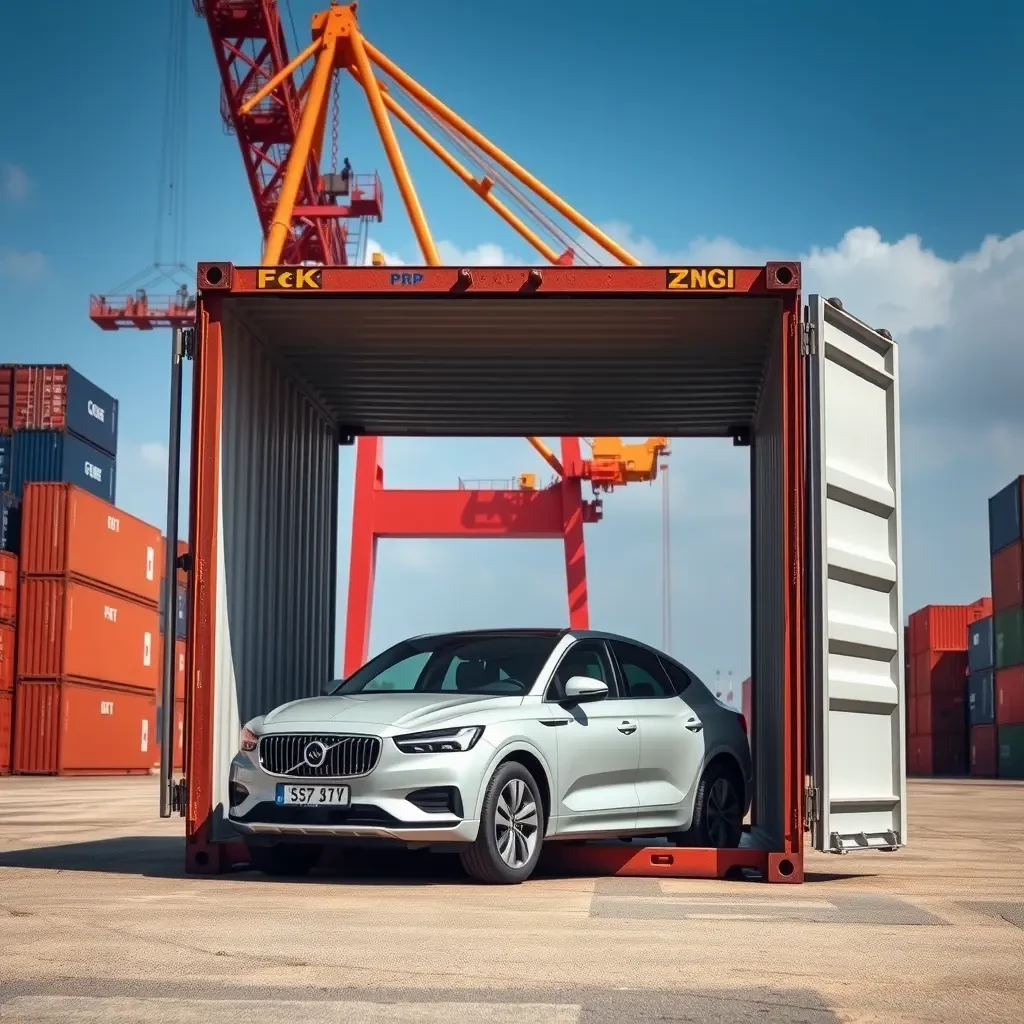
Shipping containers have become an essential part of international shipping and logistics, especially when it comes to transporting vehicles across the globe. The question often arises: does a car fit in a shipping container? The answer largely depends on the car dimensions, the container size, and the loading process. This article explores the various transportation methods and container specifications that ensure secure transport of vehicles.
Understanding Container Sizes
The most common container sizes used in vehicle transport are 20-foot and 40-foot containers. Understanding these container specifications is crucial for determining if a car will fit inside.
- 20-Foot Container: Typically measures about 20 feet in length, 8 feet in width, and 8.5 feet in height. It offers around 1,172 cubic feet of cargo space.
- 40-Foot Container: Usually measures 40 feet in length, 8 feet in width, and 8.5 feet in height, doubling the cargo space to approximately 2,385 cubic feet.
Car Dimensions and Compatibility
The compatibility of a car with a shipping container depends on its dimensions. Most standard cars, such as sedans and smaller SUVs, can fit comfortably inside a 20-foot container. Larger vehicles, like trucks and full-sized SUVs, may require the additional space provided by a 40-foot container.
Before proceeding with vehicle shipping, it is critical to measure the car’s length, width, and height. These measurements will help determine the appropriate container and ensure that there is adequate space for loading and unloading.
Secure Transport and Automobile Storage
Once the appropriate container size is determined, attention turns to secure transport and automobile storage. Proper securing methods are essential to prevent damage during transit.
Loading Process
The loading process involves driving the car into the container, ensuring it is centered to maintain balance. Cars are typically secured using wheel chocks, straps, and tie-down points within the container. It’s crucial that the vehicle is immobilized to withstand any movement during freight transport.
Transportation Methods
There are several transportation methods for shipping vehicles internationally:
- Container Shipping: As discussed, this involves placing the car inside a shipping container, which provides protection from the elements and additional security.
- Roll-on/Roll-off (Ro-Ro): This method involves driving the vehicle onto a specialized vessel. It is typically used for larger vehicles that cannot fit in a standard container.
- Flat Rack Shipping: Ideal for oversized vehicles, this method involves securing the vehicle onto a flat rack that is loaded onto a ship.