Shipping a car overseas can be a complex process involving various steps and considerations․ This article will guide you through the essential aspects of international car shipping, including vehicle transport options, documentation requirements, and logistics considerations․
Understanding International Car Shipping
International car shipping involves transporting a vehicle from one country to another․ It requires careful planning and coordination with auto transport companies that offer international shipping services․ These companies specialize in handling the logistics of overseas transportation and ensure that your car reaches its destination safely․
Choosing the Right Shipping Method
There are several methods for shipping a car internationally, including ocean freight and air freight․ However, ocean freight is the most common and cost-effective method․ The two primary ocean freight options are:
- Roll-on/Roll-off (RoRo): This method involves driving the car onto a specialized vessel․ It is typically cheaper but offers less protection compared to container shipping․
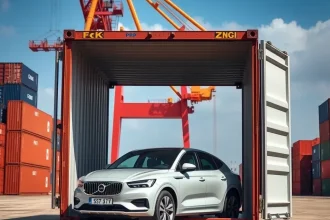
- Shipping Container: The car is loaded into a secure container, providing protection from the elements and potential damage․ This option is more expensive but offers greater security․
Freight Forwarding and Logistics
Selecting a reliable freight forwarding company is crucial․ They will handle the logistics, including booking space on a vessel, arranging for the car’s delivery to the port, and managing the necessary documentation․
Preparing Your Car for Export
Before you can proceed with car export, there are several steps to prepare your vehicle:
- Vehicle Inspection: Conduct a thorough inspection to ensure the car is in good condition․
- Documentation: Gather necessary documents such as the car’s title, registration, and proof of insurance․
- Customs Clearance: Research and comply with the import regulations of the destination country․ Submit the required paperwork for customs clearance․
Shipping Costs and Insurance Coverage
The shipping costs for transporting a car overseas depend on factors such as the distance, shipping method, and the car’s size and weight․ It’s essential to obtain quotes from multiple auto transport companies to compare prices․
Additionally, securing adequate insurance coverage is vital to protect your vehicle during transit․ Verify the coverage options provided by the shipping company and consider purchasing additional insurance if necessary․
Managing Transit Time and Delivery
Transit time varies depending on the destination and shipping method․ On average, it can take several weeks for a car to reach its destination․ It is essential to plan accordingly and factor in potential delays․
Upon arrival at the port of entry, the car will undergo a final inspection․ You can opt for door-to-door service, where the shipping company delivers the car directly to your specified address, or choose to pick it up from the port․
Understanding Documentation Requirements
Proper documentation is crucial for a smooth shipping process․ Ensure you have completed all necessary paperwork, including:
- Bill of Lading: A detailed list of the cargo being shipped․
- Export Declaration: A document declaring the car for export․
- Customs Forms: Required forms for both the exporting and importing countries․
Shipping a car overseas is a multifaceted process that requires careful planning and execution․ By understanding the various aspects of vehicle transport, from selecting the right shipping method to managing logistics and documentation, you can ensure a successful car delivery to your chosen destination․ Always work with reputable international shipping services to navigate the intricacies of customs clearance and import regulations, ensuring a smooth transition for your vehicle across borders․