The automotive industry is a complex ecosystem where dealerships play a pivotal role in the distribution and sales of vehicles. A key aspect of this ecosystem is the ability of dealerships to ship cars to other dealerships. This process is essential for effective inventory management‚ vehicle transfer‚ and maintaining a balanced dealership network. In this article‚ we will delve into how car shipping between dealerships works‚ the challenges involved‚ and its impact on the broader automotive industry.
Understanding Inter-Dealership Logistics
Inter-dealership logistics refers to the movement of vehicles between different dealerships within a dealership network. This is crucial for inventory management as it helps in balancing stock levels across different locations. Regional dealerships may face varying demand patterns‚ and by transferring vehicles‚ they can ensure that the right cars are available where they are needed the most.
The Role of Car Shipping in Vehicle Transfer
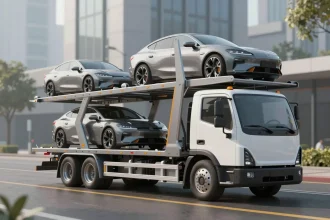
Car shipping is at the heart of vehicle transfer between dealerships. This involves transporting vehicles using specialized transportation services. Dealerships often collaborate with logistics companies that specialize in automotive distribution to ensure that the vehicles are transported safely and efficiently. This process is governed by shipping regulations to ensure compliance and safety during transit.
Inventory Management and Dealer Trade
Effective inventory management is vital for any dealership. Through dealer trade‚ dealerships can swap vehicles to ensure that each location has an optimal mix of models and trims. This not only helps in meeting customer demand but also aids in vehicle allocation strategies. By collaborating on dealer trade‚ dealerships can maximize sales opportunities and improve customer satisfaction.
Strategies in Car Sales and Vehicle Allocation
Dealerships employ various car sales strategies to optimize their inventory and sales. One such strategy is the strategic vehicle allocation within the dealership network. By analyzing sales data and market trends‚ dealerships can decide which models to stock and which to transfer to different locations. This ensures that they can meet local demand efficiently.
Challenges in Automotive Distribution
Despite the benefits‚ automotive distribution and inter-dealership logistics face several challenges. These include logistical complexities‚ compliance with shipping regulations‚ and the cost of transportation. Moreover‚ coordinating between different dealerships within a network requires robust communication and planning to avoid disruptions in the supply chain.
The Importance of Shipping Regulations
Compliance with shipping regulations is crucial for the safe and legal transport of vehicles. These regulations cover various aspects such as vehicle loading‚ driver qualifications‚ and insurance requirements. Adhering to these regulations helps prevent accidents and liabilities during transit.
The Impact on Regional Dealerships
Regional dealerships benefit significantly from the ability to ship cars between locations. It allows them to respond quickly to changes in market demand and consumer preferences. By optimizing car inventory through inter-dealership transfers‚ they can enhance their competitiveness and service quality.