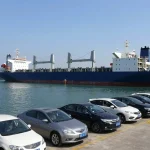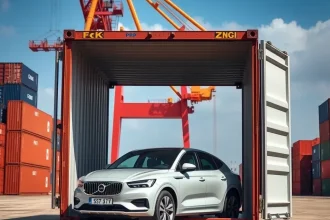
Shipping a car without a title is a common question among vehicle owners looking to transport their vehicles across states or even nationally․ Understanding the vehicle transport process, including car shipping, title requirements, and auto transport regulations, is essential for a smooth experience․
Understanding Title Requirements
Before diving into the logistics of car shipping, it’s crucial to understand what a title is and why it’s important; A vehicle title is a legal document that establishes the ownership of the vehicle․ It contains details about the car, its owner, and sometimes its lienholder․ During vehicle transport, proving ownership through a title is typically required to avoid legal issues and ensure the vehicle is being transported with the owner’s consent․
Why a Title is Important in Auto Transport
The title serves as ownership proof and is a critical component of vehicle documentation․ When working with a transport company, they need to ensure that the person requesting the transport is the legitimate owner or has the right to ship the vehicle․ Without a title, proving ownership can be challenging, which could complicate the shipping process․
Car Shipping Without a Title
While it’s generally recommended to have a title when shipping a car, there are certain situations where it might be possible to ship without one․ However, these scenarios often come with additional steps or requirements:
- Interstate Shipping: When transporting a vehicle across state lines, shipping regulations can vary significantly․ Some states might allow shipping without a title if other forms of legal paperwork, such as a bill of sale or registration, are available․
- Lienholder Involvement: If a vehicle is financed, the title might be held by a lienholder․ In such cases, obtaining a letter of authorization from the lienholder can sometimes suffice for the transport company to proceed with the shipping․
- DMV Documentation: In lieu of a title, some states allow for a DMV-issued document that verifies the vehicle’s registration and ownership, which might be acceptable for shipping purposes․
The Role of the DMV
The Department of Motor Vehicles (DMV) plays a crucial role in vehicle documentation and processing title transfers․ If a title is lost or unavailable, the DMV can assist in issuing a duplicate title or alternative documentation that can be used during the car logistics process․
Legal Paperwork and Registration
Even if a title isn’t available, other legal paperwork such as vehicle registration and insurance documents might be required․ These documents help establish the legality of the vehicle being on the road and can sometimes substitute for a title in proving ownership․
Title Issues and Their Implications
Title issues can arise from clerical errors, unresolved liens, or missing titles․ Addressing these issues promptly is crucial to avoid delays in the shipping process․ Working with a reputable transport company that understands these nuances can be beneficial in navigating potential hurdles․
Choosing the Right Transport Services
When selecting a transport service, it’s important to choose a company experienced in handling cases where titles are not available․ Transparent communication with the service provider about the status of the title and other documentation can ensure they are prepared to handle the shipment effectively․
Working with Car Carriers
Car carriers are responsible for the physical shipment of vehicles․ They rely on accurate documentation to ensure compliance with shipping regulations․ Ensuring all paperwork is in order before the scheduled shipping date can prevent unexpected complications․
While shipping a car without a title is not the norm, it is not always impossible․ Understanding the requirements, potential alternatives, and legal implications is essential․ By preparing the necessary documentation and working closely with the DMV and transport services, vehicle owners can navigate the complexities of interstate shipping and ensure their car is transported legally and efficiently․